


Open post
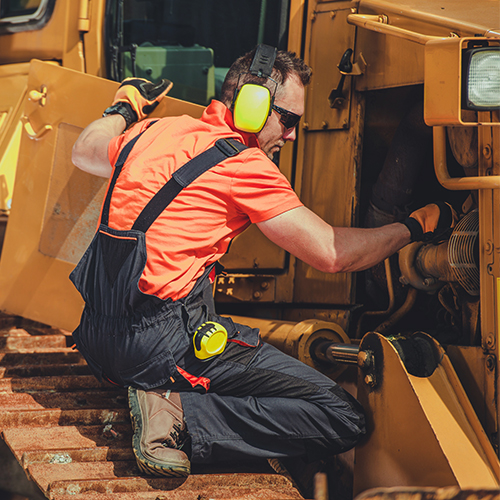
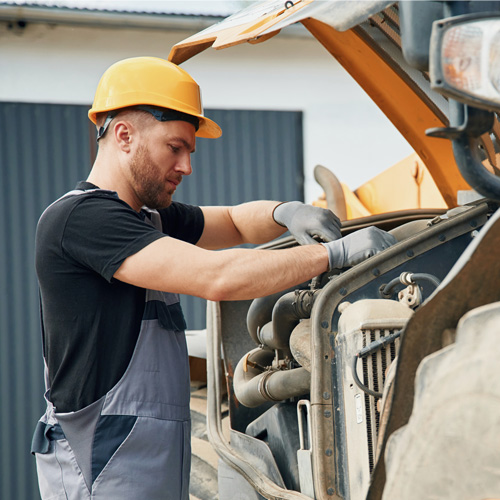
Man Repairing Heavy Equipment on Construction Site. A construction worker repairs a piece of heavy equipment in an outdoor environment during daylight hours.

Is Your Equipment Ready For The 2nd Half Of The Year?

IS YOUR EQUIPMENT READY FOR THE SECOND HALF OF THE YEAR?

As construction activity continues through the second half of the year, dependable equipment becomes even more important. A breakdown during a busy project can delay schedules, increase repair costs and leave operators waiting for a machine to return to service.

A mid-season construction equipment maintenance inspection can help identify worn parts, leaks and developing performance issues before they result in more extensive repairs. Whether you operate excavators, skid steer loaders, compact track loaders, wheel loaders, rollers or other construction equipment, preventive maintenance can help protect your fleet and keep your jobs moving.

McCann Industries provides construction equipment maintenance, diagnostics and repair support for all makes and models. Our service team can help evaluate your equipment and address concerns before they become jobsite emergencies.


WHY MID-SEASON EQUIPMENT MAINTENANCE MATTERS

Construction equipment operates in dust, heat, mud and other demanding conditions. By the middle of the season, machines may have accumulated hundreds of operating hours since their last major inspection.

Daily walkarounds remain essential, but they may not uncover every developing issue. A more detailed mid-year inspection can help contractors:

  • Reduce the risk of unexpected downtime
  • Identify fluid leaks and worn components
  • Maintain dependable machine performance
  • Protect major systems from avoidable damage
  • Plan repairs around project schedules
  • Extend the useful life of equipment
  • Keep service and maintenance records current

Maintenance requirements vary by manufacturer, machine and application. Always follow the service intervals and procedures listed in the equipment’s operator or service manual.


MID-SEASON CONSTRUCTION EQUIPMENT MAINTENANCE CHECKLIST

A thorough inspection should cover the machine’s major systems, wear components and safety equipment.

REVIEW OPERATING HOURS AND SERVICE RECORDS

Begin by checking the hour meter and reviewing the equipment’s maintenance history.

Determine whether the machine is approaching a scheduled service interval and verify when key maintenance tasks were last completed.

Review:

  • Current operating hours
  • Manufacturer-recommended service intervals
  • Previous oil and filter changes
  • Recent repairs
  • Fluid analysis results, when available
  • Recurring fault codes or operator concerns
  • Upcoming component replacement recommendations

Documented maintenance records can help identify patterns and make it easier to plan future service.


INSPECT ENGINE OIL, FLUIDS AND FILTERS

Clean fluids and filters help protect critical machine components. Contaminated fluids, restricted filters or incorrect fluid levels can contribute to poor performance and premature wear.

Inspect:

  • Engine oil and oil filter
  • Hydraulic fluid and filter
  • Engine coolant
  • Fuel and fuel filters
  • Air filters
  • Transmission fluid, when applicable
  • Final-drive and axle fluids
  • Diesel exhaust fluid, when applicable

Do not rely only on fluid levels. Check for unusual color, odor, contamination or metal particles that may indicate an internal problem.

Follow the manufacturer’s specifications when selecting replacement fluids and filters. Mixing incompatible products can reduce performance or damage components.


CHECK THE COOLING SYSTEM

Hot weather, heavy loads and dirty operating conditions can place additional demands on an equipment cooling system.

Inspect:

  • Coolant level and condition
  • Radiator and cooling package
  • Hoses and clamps
  • Fan belts
  • Water pump area
  • Cooling fins
  • Debris around screens and air passages
  • Temperature gauges and warning indicators

Remove accumulated dirt and debris using the cleaning procedure recommended by the manufacturer. Restricted airflow can contribute to overheating even when the coolant level is correct.


INSPECT THE HYDRAULIC SYSTEM

Hydraulic systems power many of the functions construction equipment performs each day. A small leak or damaged hose can develop into a larger failure if it is not addressed.

Look for:

  • Cracked, worn or rubbing hydraulic hoses
  • Fluid around cylinders, pumps and fittings
  • Damaged hose guards
  • Loose connections
  • Slow or inconsistent cylinder movement
  • Unusual hydraulic noise
  • Excessive heat
  • Loss of lifting or attachment performance

Never use your hands to search for a pressurized hydraulic leak. Hydraulic fluid under pressure can penetrate the skin and cause a serious injury. Equipment should be shut down and pressure safely relieved before a qualified person performs repairs.


EXAMINE TRACKS AND UNDERCARRIAGE COMPONENTS

An undercarriage represents a significant portion of the operating cost of tracked construction equipment. Regular inspection can help prevent uneven wear and premature component replacement.

Check:

  • Track tension
  • Track condition
  • Rollers and idlers
  • Sprockets
  • Track links
  • Pins and bushings
  • Final drives
  • Mud, stone and debris buildup
  • Uneven wear between sides

Incorrect track tension can accelerate wear. Use the manufacturer’s procedure and specifications when checking or adjusting tracks.

Cleaning the undercarriage regularly can also make developing leaks and damaged components easier to identify.


INSPECT TIRES AND WHEELS

For wheeled equipment, tire condition affects traction, stability and machine performance.

Inspect:

  • Tire pressure
  • Tread depth
  • Sidewall cuts or cracking
  • Punctures
  • Uneven wear
  • Rims
  • Valve stems
  • Wheel hardware
  • Loose or missing lug nuts

Inflate tires to the pressure recommended for the machine, tire and application. Uneven tire pressure may affect stability and cause irregular wear.


TEST THE BATTERY AND ELECTRICAL SYSTEM

Heat, vibration and extended operating hours can place additional strain on batteries and electrical components.

A mid-season electrical inspection should include:

  • Battery charge and condition
  • Battery terminals and cables
  • Charging system
  • Starter operation
  • Wiring and connectors
  • Fuses
  • Work lights
  • Warning lights
  • Backup alarms
  • Cameras
  • Display screens
  • Diagnostic fault codes

Loose, damaged or corroded connections should be addressed before they cause intermittent starting or operating problems.


EVALUATE WEAR PARTS AND ATTACHMENTS

Wear parts are designed to be replaced over time. Allowing them to wear beyond their usable limits can reduce performance and damage more expensive components.

Inspect:

  • Bucket teeth
  • Cutting edges
  • Adapters
  • Pins and bushings
  • Belts
  • Bearings
  • Brake components
  • Couplers
  • Attachment hoses
  • Hydraulic connections
  • Ground-engaging tools

Check buckets and attachments for cracks, damaged welds or excessive movement. Confirm that attachment locking systems operate properly before returning the machine to service.


VERIFY SAFETY SYSTEMS

Safety equipment should be tested regularly to help protect operators and others working nearby.

Confirm the proper operation and condition of:

  • Seat belts and restraint systems
  • Backup alarms
  • Horns
  • Cameras and mirrors
  • Emergency shutoffs
  • Safety switches and interlocks
  • Warning lights
  • Steps and handrails
  • Doors and windows
  • Rollover and falling-object protective structures
  • Fire extinguishers, when equipped

Damaged or disabled safety devices should be repaired before the equipment is operated.


INSPECT THE OPERATOR STATION

Operator comfort and visibility can affect productivity and safe equipment operation.

Check:

  • Joysticks and controls
  • Pedals
  • Seat adjustment
  • Heating and air conditioning
  • Windshield wipers
  • Windows and mirrors
  • Displays and gauges
  • Cab filters
  • Doors and latches
  • Interior cleanliness

Ask operators whether they have noticed changes in machine response, noise, vibration or temperature. Operators often detect developing problems before they become visible during an inspection.


EQUIPMENT WARNING SIGNS YOU SHOULD NOT IGNORE

Schedule an equipment inspection when operators notice:

  • New or worsening fluid leaks
  • Excessive exhaust smoke
  • Difficult starting
  • Loss of engine power
  • Overheating
  • Slow hydraulic functions
  • Unusual noises or vibration
  • Recurring warning lights
  • Changes in steering or braking
  • Uneven track or tire wear
  • Excessive movement in pins or bushings
  • Increased fuel or fluid consumption

Continuing to operate a machine with a developing problem can turn a manageable repair into a more expensive component failure.


IN-SHOP SERVICE OR FIELD SERVICE?

The best service option depends on the condition of the machine and the work required.

In-shop construction equipment service may be appropriate for:

  • Scheduled preventive maintenance
  • Detailed inspections
  • Repairs requiring specialized shop equipment
  • Major component work
  • Projects that can be planned in advance

Field service may be more practical when:

  • The equipment cannot be transported
  • The machine is disabled on a jobsite
  • An urgent diagnosis is required
  • The repair can be completed safely in the field
  • Transportation would create additional delays

A service representative can help determine the best option based on the machine, symptoms and location.


FREQUENTLY ASKED QUESTIONS ABOUT EQUIPMENT MAINTENANCE


SCHEDULE CONSTRUCTION EQUIPMENT SERVICE AT McCANN INDUSTRIES

Do not wait for a breakdown to determine whether your equipment is ready for the second half of the year.

McCann Industries provides preventive maintenance, diagnostics, in-shop repairs, field service and parts support for all makes and models of construction equipment. Our factory-trained technicians use advanced diagnostic tools and OEM-grade parts to help identify problems and return machines to work.

Through July 31, 2026, receive 10% off parts and service for qualifying work performed in a McCann Industries shop.

Mention promo code JS07 when scheduling service to take advantage of the offer.

Contact McCann Industries to schedule a mid-season equipment inspection and prepare your fleet for the work ahead.

Open post
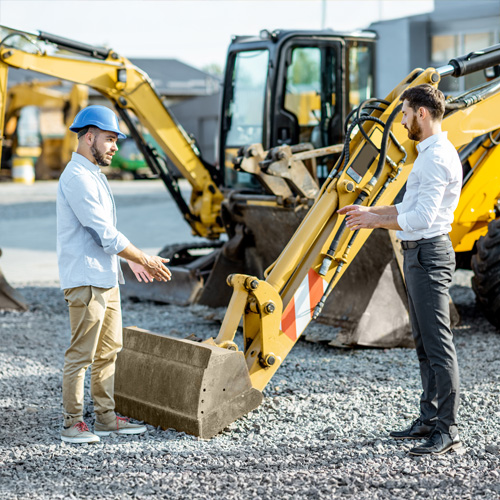
Builder with a sales consultant at the shop with heavy machinery. Two men with neatly styled hair stand facing each other near a large yellow excavator.

Used Equipment Buying Guide

USED EQUIPMENT BUYING GUIDE: WHAT TO CHECK BEFORE YOU BUY

Buying used construction equipment can be a smart way to expand your fleet while keeping costs under control. Whether you are considering a skid steer, compact track loader, excavator, compactor, or another type of equipment, a thorough inspection can help you avoid unexpected repairs and make a better long-term investment.

At McCann Industries, our team helps contractors evaluate their options, select equipment that fits their applications, and keep their machines working with dependable parts and service support.


WHY BUY USED CONSTRUCTION EQUIPMENT?

  • Lower upfront investment
  • Less initial depreciation
  • Faster equipment availability
  • A documented operating history
  • More flexibility within your equipment budget

The value of a used machine, however, depends heavily on its condition, maintenance history, and suitability for the work you plan to perform.


INSPECT THE OVERALL CONDITION

Begin with a complete walkaround. Normal cosmetic wear is expected, but significant damage may indicate hard use, poor maintenance, or repairs that require further evaluation.

Look for:

  • Cracks or weld repairs on the frame
  • Rust or corrosion
  • Damaged panels or structural components
  • Missing guards, covers, or hardware
  • Fluid leaks beneath the machine
  • Signs of damage around pins, bushings, and attachment points

Wear should be reasonably consistent throughout the machine. A freshly painted section or recently replaced component is not necessarily a concern, but it is worth asking why the work was completed.


REVIEW ENGINE PERFORMANCE

The engine is one of the machine’s most important and expensive components. Whenever possible, start the equipment when the engine is cold and operate it long enough to reach its normal working temperature.

Check for:

  • Difficult or delayed starting
  • Excessive exhaust smoke
  • Unusual noises, knocking, or vibration
  • Oil, fuel, or coolant leaks
  • Low or contaminated fluids
  • Warning lights or fault codes
  • Loss of power while operating under load

A machine that starts easily and performs consistently under load is generally a better sign than one that has only been allowed to idle.


EXAMINE THE HYDRAULIC SYSTEM

The hydraulic system affects the productivity and operation of many construction machines. Weak, slow, or inconsistent hydraulic functions may indicate wear, contamination, leakage, or another maintenance concern.

Inspect:

  • Hydraulic hoses for cracking, rubbing, or damage
  • Cylinders and seals for leaks
  • Pumps, valves, and fittings
  • Couplers and auxiliary hydraulic connections
  • Lift, tilt, steering, and travel functions
  • Bucket and attachment operation

Operate several hydraulic functions at the same time when possible. The machine should respond smoothly without excessive hesitation, drifting, or unusual noise.


CHECK THE UNDERCARRIAGE OR TIRES

Undercarriage and tire replacement costs can significantly affect the true value of a used machine.

For tracked equipment, inspect:

  • Track condition and remaining life
  • Rollers and idlers
  • Sprockets
  • Track tension
  • Uneven wear between the left and right sides
  • Cuts, missing track material, or damaged links

For wheeled equipment, examine:

  • Tire tread depth
  • Sidewall cuts or cracking
  • Uneven wear
  • Matching tire sizes and types
  • Rims, wheel hardware, and axle components

A lower purchase price may not be a good value if the machine immediately needs tires, tracks, or major undercarriage work.


VERIFY MAINTENANCE AND OWNERSHIP RECORDS

Maintenance records can provide valuable insight into how the equipment was cared for and which repairs may be needed in the future.

Ask about:

  • Routine service intervals
  • Oil, fuel, air, and hydraulic filter changes
  • Major repairs
  • Rebuilt or replaced components
  • Previous applications
  • Prior ownership
  • Current meter hours
  • Available inspection or service reports

Compare the records with the condition of the machine. Meter hours alone do not tell the entire story. A higher-hour machine with consistent maintenance may be a better investment than a lower-hour machine that was neglected.


TEST THE CONTROLS AND SAFETY FEATURES

Sit in the operator’s station and test the controls, displays, and safety systems. The machine should be comfortable to operate and respond consistently to operator input.

Check:

  • Joysticks, pedals, and travel controls
  • Backup alarms
  • Horns, lights, and warning indicators
  • Safety switches and interlocks
  • Seat belt and restraint systems
  • Gauges and display panels
  • Heating and air conditioning, when equipped
  • Doors, windows, steps, and handrails

Any warning lights or active fault codes should be investigated before the purchase is completed.


MAKE SURE THE MACHINE FITS THE APPLICATION

A machine can be in excellent condition and still be the wrong choice for your operation. Consider how it will be used, transported, stored, and equipped.

Evaluate:

  • Rated operating capacity
  • Lift height and reach
  • Machine dimensions and operating weight
  • Hydraulic flow requirements
  • Attachment compatibility
  • Ground conditions
  • Trailer and transportation requirements
  • Dealer parts and service support

Choosing the right size and configuration can improve productivity, reduce operating costs, and prevent unnecessary wear.


CONSIDER THE TOTAL COST OF OWNERSHIP

The purchase price is only one part of the investment. Before buying, estimate the costs required to operate and maintain the machine over time.

Consider:

  • Immediate repairs or scheduled maintenance
  • Tires, tracks, or undercarriage replacement
  • Fuel consumption
  • Replacement parts
  • Transportation
  • Insurance
  • Future service needs
  • Expected resale value

A well-supported machine that costs slightly more upfront may provide better long-term value by reducing downtime and unplanned repair expenses.


BUY WITH CONFIDENCE FROM McCANN INDUSTRIES

Choosing the right equipment dealer is just as important as choosing the right machine. McCann Industries offers a selection of used construction equipment supported by experienced equipment professionals who can help you evaluate your application, budget, and operating needs.

Our support does not end when the machine leaves the lot. McCann provides parts, preventive maintenance, shop service, and field service for a wide range of construction equipment. Our goal is to help you protect your investment, reduce downtime, and keep your jobs moving.


NOT READY TO BUY?

Renting may be a better option when you need equipment for a short-term project, want to preserve capital, or are not ready to commit to ownership.

For a limited time, save 20% on monthly skid steer rentals and qualifying skid steer attachment rentals through McCann Industries. It is a flexible way to get the equipment you need while controlling project costs.

Whether you are purchasing used equipment or renting for an upcoming job, McCann Industries is ready to help you find the right solution and support it for the work ahead.

Open post
Excavator moves dirt in forested area while creating space for construction work during daylight

Skid Steer Attachments

HOW SKID STEER ATTACHMENTS HELP CONTRACTORS GET MORE DONE

Skid steer attachments can turn one machine into a versatile tool for material handling, digging, grading, demolition, landscaping, land clearing, snow removal and other construction applications.

Instead of transporting several specialized machines to a jobsite, contractors can change attachments as the work progresses. A skid steer that moves pallets in the morning may be used to drill holes, clear brush or remove concrete later in the day.

McCann Industries offers skid steer rentals, compact track loader rentals and qualifying attachment rentals for a variety of construction applications. Our rental team can help match the machine and attachment to the work you need to complete.


WHY CONTRACTORS USE SKID STEER ATTACHMENTS

Skid steers and compact track loaders are already known for their maneuverability and versatility. Adding the correct attachment can expand their capabilities while helping contractors control equipment, transportation and labor costs.

Benefits of using skid steer attachments include:

  • Completing multiple tasks with one machine
  • Reducing the number of machines transported to the jobsite
  • Moving between tasks more efficiently
  • Reducing manual labor
  • Handling seasonal or specialized work
  • Avoiding the purchase of attachments used only occasionally
  • Making better use of equipment already in your fleet

The key is selecting an attachment that fits both the application and the machine.


POPULAR SKID STEER ATTACHMENTS AND THEIR USES

Different jobs require different tools. Understanding how common attachments are used can help you choose the right equipment for your next project.

BUCKETS FOR MOVING AND GRADING MATERIAL

Buckets are among the most commonly used skid steer attachments. A general-purpose bucket can handle soil, gravel, mulch, sand, debris and other loose materials.

Specialized buckets may also be used for:

  • Grading and site preparation
  • Light-material loading
  • Aggregate and dirt work
  • Cleanup
  • Snow removal
  • High-capacity material handling

Bucket size should be matched to the material and the machine’s rated operating capacity. A large bucket filled with a dense material may exceed the machine’s safe lifting capacity.


PALLET FORKS FOR JOBSITE MATERIAL HANDLING

Pallet forks turn a skid steer or compact track loader into a compact material-handling machine.

They are commonly used to move:

  • Palletized supplies
  • Lumber
  • Pipe
  • Concrete block
  • Bagged materials
  • Landscaping supplies
  • Construction materials

Operators should know the approximate weight of the load before lifting it. The load’s weight, position and lifting height can affect machine stability and capacity.


AUGERS FOR DRILLING HOLES

A skid steer auger attachment can drill consistent holes more efficiently than manual digging.

Common auger applications include:

  • Fence posts
  • Signs
  • Deck footings
  • Building foundations
  • Landscaping
  • Utility installations
  • Pole placement
  • Tree and shrub planting

Auger bits are available in several sizes. The correct bit depends on the required hole diameter and the ground conditions. Clay, rocky soil, loose material and frozen ground may require different bit designs or operating techniques.


GRAPPLES FOR CLEANUP AND DEBRIS REMOVAL

Grapple attachments help operators secure bulky, loose or irregular materials that may be difficult to move with a standard bucket.

Common uses include:

  • Demolition debris
  • Brush and vegetation
  • Logs and tree limbs
  • Scrap material
  • Storm cleanup
  • Land clearing
  • Construction waste

The hydraulic grapple arms hold material in place while the machine lifts and travels, helping reduce spills and repeated handling.


BRUSH CUTTERS FOR LAND CLEARING

Brush cutter attachments help contractors clear dense vegetation and maintain areas that may be difficult to access with traditional mowing equipment.

They may be used for:

  • Overgrown properties
  • Building sites
  • Rights-of-way
  • Fence lines
  • Roadside maintenance
  • Landscaping
  • Storm cleanup
  • Property maintenance

Brush cutters must be matched to the machine’s hydraulic capabilities. Operators must also follow the attachment manufacturer’s requirements for guarding, operating distance and protection from flying debris.


HYDRAULIC BREAKERS FOR CONCRETE AND ASPHALT DEMOLITION

A hydraulic breaker, also called a hydraulic hammer, can turn a skid steer into a compact demolition machine.

Hydraulic breakers are commonly used for:

  • Concrete removal
  • Asphalt demolition
  • Sidewalk and driveway removal
  • Pavement repair
  • Foundation work
  • Trenching through hard material
  • Demolition in confined areas

The breaker must be correctly matched to the carrier. Hydraulic flow, operating pressure, attachment weight and machine size can all affect performance and equipment life.


TRENCHERS FOR UTILITY AND LANDSCAPE WORK

Trencher attachments can help create narrow, consistent trenches with less surface disturbance than a wider excavation bucket.

Common applications include:

  • Utility lines
  • Irrigation systems
  • Drainage
  • Electrical conduit
  • Landscape lighting
  • Residential service connections

Trenching depth, cut width, soil conditions and the presence of buried utilities must all be considered before work begins.


SWEEPERS AND SNOW ATTACHMENTS

Seasonal attachments allow skid steers and compact track loaders to remain productive throughout the year.

Depending on the application and equipment availability, these machines may use:

  • Brooms
  • Sweepers
  • Snow buckets
  • Snow pushers
  • Blades
  • Other cleanup attachments

These attachments can be useful for parking lots, construction sites, municipal properties, commercial facilities and other paved areas.


HOW TO CHOOSE THE RIGHT SKID STEER ATTACHMENT

Selecting an attachment based only on the task it performs can lead to poor performance or equipment damage. The attachment must also be compatible with the skid steer or compact track loader.

Before choosing an attachment, consider:

  • Rated operating capacity
  • Hydraulic flow and pressure
  • Standard-flow or high-flow requirements
  • Attachment weight
  • Coupler compatibility
  • Electrical connection requirements
  • Lift height and reach
  • Machine width
  • Jobsite access
  • Required guarding
  • Ground and surface conditions

A properly matched attachment should perform more efficiently while placing less stress on the machine.


STANDARD-FLOW OR HIGH-FLOW HYDRAULICS?

Some skid steer attachments operate with standard-flow hydraulics, while more demanding attachments may require a high-flow machine.

Buckets, pallet forks and many grapples do not typically require high-flow hydraulics. Attachments such as certain brush cutters, planers, trenchers and other powered tools may require additional hydraulic flow.

Using an attachment with a machine that cannot provide the required flow may result in poor performance. It can also create excessive heat or place unnecessary stress on hydraulic components.

Always confirm the attachment’s hydraulic requirements before connecting it to the machine.


SKID STEER OR COMPACT TRACK LOADER?

Many attachments can be used with either a wheeled skid steer or a compact track loader, but the best carrier depends on the jobsite.

A wheeled skid steer may be a good choice for:

  • Concrete or asphalt surfaces
  • Firm, stable ground
  • Jobs requiring frequent travel
  • Applications where maneuverability is important
  • Work where ground disturbance is less of a concern

A compact track loader may be better suited for:

  • Soft or uneven ground
  • Muddy jobsites
  • Landscaping
  • Slopes
  • Applications requiring additional traction
  • Jobs where lower ground pressure is beneficial

The attachment may perform the same task, but the carrier can affect traction, stability, surface damage and overall productivity.


WHEN RENTING SKID STEER ATTACHMENTS MAKES SENSE

Not every contractor needs to own every attachment. Renting provides access to specialized equipment only when a project requires it.

Skid steer attachment rentals may make sense for:

  • Short-term projects
  • Seasonal work
  • Specialized applications
  • Unexpected project requirements
  • Supplementing a fleet during busy periods
  • Testing an attachment before purchasing
  • Avoiding long-term storage
  • Reducing ownership and maintenance costs

Renting the skid steer and attachment together can also make it easier to confirm that the equipment is properly matched.


FREQUENTLY ASKED QUESTIONS ABOUT SKID STEER ATTACHMENTS


RENT SKID STEERS AND ATTACHMENTS FROM McCANN INDUSTRIES

The right skid steer attachment can help contractors complete work faster, reduce manual labor and get more value from one machine.

McCann Industries offers skid steer loaders, compact track loaders and qualifying attachment rentals for material handling, excavation, demolition, landscaping, land clearing and other construction applications. Equipment and attachment availability may vary by location.

For a limited time, customers can save 20% on monthly skid steer rentals and qualifying skid steer attachment rentals.

Contact McCann Industries to discuss your application, confirm equipment availability and reserve the right machine and attachments for your next project.

Open post
A bright yellow vibrating asphalt roller is seen compacting a new, sleek blacktop surface in this eye-level shot.

Compaction Equipment Guides

COMPACTION EQUIPMENT GUIDE: PLATE COMPACTOR, ROLLER, OR RAMMER?

Proper compaction creates a stable base for roads, foundations, sidewalks, landscaping, and other construction projects. Choosing the right machine helps increase soil density, reduce future settling, and produce a longer-lasting finished surface.

However, not every compactor is designed for the same material or application. Plate compactors, rammers, and rollers apply force differently and perform best in different working conditions.

McCann Industries offers compaction equipment from Wacker Neuson, Husqvarna, BOMAG, and DEWALT. Our team can help contractors, municipalities, and construction professionals match the right equipment to the material, project size, and jobsite conditions.


WHY PROPER COMPACTION MATTERS

Soil, gravel, and asphalt contain pockets of air that can cause a surface to shift or settle. Compaction removes those air pockets and creates a denser, more stable base.

Insufficient or uneven compaction can lead to:

  • Cracking or sinking pavement
  • Uneven sidewalks and pavers
  • Foundation movement
  • Poor drainage
  • Failed inspections
  • Costly repairs and project delays

The right equipment can improve compaction results while reducing the time and labor required to complete the job.


WHEN TO USE A PLATE COMPACTOR

A plate compactor uses a vibrating steel plate to compact material beneath the machine. It is one of the most versatile choices for small- and medium-sized projects.

Plate compactors generally perform best on granular materials that contain loose particles, including:

  • Sand
  • Gravel
  • Crushed stone
  • Aggregate base
  • Asphalt

Common applications include:

  • Sidewalks
  • Driveways
  • Patios
  • Paver base preparation
  • Asphalt repairs
  • Landscaping projects
  • Residential site preparation

Plate compactors are relatively easy to maneuver and can work in areas that are too small for larger rollers.

Forward-moving plate compactors are commonly used for lighter jobs and shallower lifts. Reversible plate compactors can move in both directions and often provide greater compaction force for deeper or more demanding applications.


WHEN A RAMMER IS THE BETTER CHOICE

A rammer, sometimes called a jumping jack, delivers repeated vertical impact to the ground. This concentrated force makes it particularly effective on cohesive soils.

Cohesive materials contain fine particles that hold together, including:

  • Clay
  • Silt
  • Soil with higher moisture content

Rammers are commonly used for:

  • Utility trenches
  • Pipe installation
  • Footings
  • Foundation work
  • Backfilling
  • Narrow excavations
  • Areas around structures or obstacles

Their narrow design allows operators to work in confined areas where a plate compactor or roller may not fit. Rammers are especially useful when strong impact force is needed in a small area.


WHEN TO CHOOSE A ROLLER

Rollers are designed to compact larger areas more efficiently. They cover more ground per pass and provide consistent compaction across wide surfaces.

Depending on the machine and application, rollers may be used on soil, aggregate, or asphalt.

Common applications include:

  • Road construction and repair
  • Parking lots
  • Commercial developments
  • Site preparation
  • Asphalt paving
  • Large driveways
  • Aggregate base installation
  • Municipal projects

Single-drum rollers are commonly used for soil and aggregate compaction. Double-drum, or tandem, rollers are often used for asphalt and other paved surfaces.

Larger rollers provide greater productivity, but the machine must still be matched to the material, required compaction depth, and available working space.


COMPARE YOUR COMPACTION EQUIPMENT OPTIONS

PLATE COMPACTOR

Best suited for:

  • Granular soils
  • Sand, gravel, and crushed stone
  • Asphalt patching
  • Pavers, sidewalks, and driveways
  • Small- and medium-sized work areas

Primary advantages:

  • Easy to maneuver
  • Versatile across several applications
  • Available in forward and reversible configurations
  • Effective in areas that are too small for a roller

RAMMER

Best suited for:

  • Cohesive soils such as clay and silt
  • Trenches
  • Footings
  • Foundations
  • Narrow or confined spaces

Primary advantages:

  • Concentrated impact force
  • Effective on cohesive material
  • Compact footprint
  • Easy to position around obstacles

ROLLER

Best suited for:

  • Large, open areas
  • Asphalt surfaces
  • Soil and aggregate bases
  • Roads and parking lots
  • Commercial and municipal projects

Primary advantages:

  • Greater surface coverage
  • Consistent compaction across wide areas
  • Higher productivity on larger jobs
  • Multiple drum configurations for different applications

FACTORS TO CONSIDER BEFORE CHOOSING

The size of the project is important, but it should not be the only factor in your decision. Before selecting compaction equipment, consider:

  • Soil or material type
  • Moisture level
  • Required compaction depth
  • Size and shape of the work area
  • Number of passes required
  • Access limitations
  • Surface slope
  • Project specifications
  • Operator experience
  • Transportation requirements

Using a larger machine does not automatically produce better results. A roller may be inefficient in a narrow trench, while a rammer would take too long to compact a large parking lot.

The goal is to match the machine’s compaction force, size, and operating method to the application.


TRUSTED COMPACTION EQUIPMENT BRANDS

McCann Industries carries compaction equipment from established manufacturers serving professional construction applications.

Our product selection includes:

  • Wacker Neuson plate compactors, reversible plates, rammers, and rollers
  • Husqvarna compaction equipment designed for professional construction and hardscape applications
  • BOMAG rollers and compaction equipment for asphalt, soil, and aggregate projects
  • DEWALT compaction solutions designed for demanding jobsite use

Equipment availability and configurations may vary by location. The McCann team can help identify the right model based on your application and project requirements.


PURCHASE OR RENT?

Purchasing may make sense when compaction equipment will be used regularly across multiple projects. Ownership provides consistent access to the machine and may lower the cost per use over time.

Renting may be a better option when:

  • The equipment is needed for a short-term project
  • The required machine changes from job to job
  • You want to avoid storage and transportation costs
  • You need additional equipment during a busy period
  • You want to evaluate a machine before purchasing

McCann Industries offers both equipment sales and rental options, allowing you to select the approach that works best for your operation and budget.


FIND THE RIGHT COMPACTION EQUIPMENT AT McCANN INDUSTRIES

Whether you are preparing a residential foundation, installing pavers, repairing asphalt, or building a commercial parking lot, McCann Industries can help you select the right compaction equipment for the job.

Our team will consider your material, application, project size, and operating conditions before recommending a solution. We also provide parts, maintenance, and repair support to help keep your equipment productive after it reaches the jobsite.

Contact McCann Industries to learn more about available plate compactors, rammers, and rollers from Wacker Neuson, Husqvarna, BOMAG, and DEWALT.

Open post
A woman wearing a hardhat and gloves works on the engine of a large yellow construction vehicle inside of a warehouse.

Summer Tips For Construction Equipment

SUMMER TIPS FOR CONSTRUCTION EQUIPMENT: KEEPING YOUR FLEET RUNNING STRONG IN HOT WEATHER

Summer is one of the busiest times of the year for construction projects. Longer days and favorable weather conditions allow contractors to maximize productivity, but high temperatures can also strain construction equipment. Without proper maintenance and operating practices, heat, dust, and increased workloads can lead to breakdowns, costly repairs, and project delays.

Whether you're operating excavators, skid steers, wheel loaders, aerial lifts, or compaction equipment, following summer equipment maintenance best practices can help improve reliability and jobsite efficiency. At McCann Industries, we help contractors stay productive throughout the construction season with dependable construction equipment rentals and expert support tailored to their project needs.


WHY SUMMER EQUIPMENT MAINTENANCE MATTERS

Construction equipment works harder during the summer months. Elevated temperatures can impact engines, hydraulic systems, cooling components, and tires, increasing the risk of mechanical issues if equipment is not properly maintained. A proactive maintenance strategy ensures equipment remains reliable throughout the busiest part of the construction season. Prioritizing summer equipment care can help:

  • Reduce unexpected downtime
  • Improve equipment performance
  • Extend machine lifespan
  • Increase jobsite productivity
  • Lower maintenance and repair costs
  • Support safer operations

INSPECT COOLING SYSTEMS REGULARLY

MONITOR COOLANT LEVELS

One of the most important summer maintenance tasks is checking coolant levels regularly. Cooling systems play a critical role in preventing engines from overheating during long operating hours and extreme temperatures. Addressing cooling system issues early can help prevent major repairs and equipment downtime. Operators should inspect:

  • Coolant levels
  • Radiators
  • Cooling fans
  • Hoses and clamps
  • Signs of leaks or corrosion

KEEP RADIATORS CLEAN

Dust, dirt, and debris can quickly accumulate on radiators and cooling components during summer construction projects. Restricted airflow reduces cooling efficiency and increases the likelihood of overheating.

Regular cleaning helps maintain proper airflow and optimal engine performance.


CHECK HYDRAULIC SYSTEMS FREQUENTLY

Hydraulic systems are essential for the performance of many construction machines. High temperatures can place additional stress on hydraulic components and fluids. Maintaining proper hydraulic system performance helps improve equipment reliability and productivity throughout the season. Routine inspections should include:

  • Hydraulic fluid levels
  • Hoses and fittings
  • Hydraulic cylinders
  • Signs of leaks or excessive wear

MONITOR TIRES AND TRACKS

INSPECT TIRE CONDITION

Hot pavement and rough jobsite conditions can accelerate tire wear during the summer months. Properly maintained tires improve machine stability, fuel efficiency, and overall safety. Operators should regularly inspect tires for:

  • Proper inflation
  • Tread wear
  • Cuts and punctures
  • Sidewall damage

EXAMINE TRACKS AND UNDERCARRIAGES

For tracked equipment, inspecting the undercarriage is equally important. Excessive wear or improper track tension can reduce performance and increase maintenance costs.

Routine inspections help identify potential issues before they affect productivity.


MAINTAIN CLEAN AIR FILTERS

Summer construction sites often generate significant amounts of dust. Dirty air filters can restrict airflow to engines, reduce fuel efficiency, and negatively impact equipment performance. Keeping filters clean is a simple but effective maintenance practice. Regular air filter inspections and replacements help:

  • Improve engine efficiency
  • Reduce fuel consumption
  • Protect engine components
  • Maintain optimal machine performance

CONDUCT DAILY EQUIPMENT WALKAROUNDS

Daily inspections help operators identify minor issues before they become major problems. Consistent inspections help improve equipment reliability and jobsite safety. A brief walkaround inspection before each shift should include:

  • Fluid level checks
  • Visual inspection for leaks
  • Tire or track condition
  • Safety equipment verification
  • Lights and alarms
  • Attachment connections

PROTECT EQUIPMENT DURING IDLE PERIODS

UTILIZE SHADED STORAGE AREAS

Whenever possible, equipment should be parked in shaded locations when not in use. Simple storage practices can reduce wear caused by prolonged exposure to heat and UV rays. Reducing direct sun exposure can help protect:

  • Hydraulic components
  • Rubber seals and hoses
  • Tires
  • Operator cabs and electronics

CLEAN EQUIPMENT AFTER USE

Dust and debris accumulation can impact equipment performance and make it difficult to identify maintenance issues. Cleaning equipment regularly helps maintain appearance, improve inspections, and support long-term reliability.


BENEFITS OF RENTING CONSTRUCTION EQUIPMENT DURING SUMMER

For many contractors, renting equipment offers a practical way to meet seasonal demands while minimizing ownership costs and maintenance responsibilities.

ACCESS TO WELL-MAINTAINED EQUIPMENT

Rental equipment is routinely inspected and serviced, helping contractors avoid many of the maintenance challenges associated with aging fleets.

FLEXIBLE EQUIPMENT SOLUTIONS

Summer workloads often fluctuate based on project schedules and staffing needs. Renting allows contractors to scale their equipment fleet as needed without significant capital investments.

REDUCED DOWNTIME RISKS

Modern rental equipment provides access to dependable machinery designed to support productivity during peak construction season.


STAY PRODUCTIVE THIS SUMMER WITH McCANN INDUSTRIES

Summer is an ideal time to tackle construction projects, but high temperatures and demanding workloads can challenge even the most reliable equipment. By following proper maintenance practices and utilizing dependable machinery, contractors can reduce downtime and keep projects moving forward.

McCann Industries is your trusted source for construction equipment rentals and jobsite support. Contact McCann Industries today to learn more about our rental inventory and discover how we can help your team stay productive throughout the summer construction season.

Open post
A man wearing a hi-vis vest and gray trousers sits on a pile of rocks in the daytime. In the background is a construction site with an earth mover.

Summer Construction Safety Tips

SUMMER CONSTRUCTION SAFETY TIPS: STAYING SAFE AND PRODUCTIVE IN HOT WEATHER

Summer is one of the busiest seasons for construction projects, offering longer daylight hours and favorable conditions for excavation, utility work, road construction, and site development. However, rising temperatures and prolonged sun exposure can create serious safety risks for workers and equipment. Understanding and implementing summer construction safety best practices can help reduce heat-related illnesses, prevent accidents, and keep projects running efficiently.

At McCann Industries, we support contractors with reliable construction equipment rentals and industry expertise that help teams stay productive throughout the summer months. Whether you're managing a large infrastructure project or a smaller commercial jobsite, having the right equipment and safety plan is essential for success.


WHY SUMMER CONSTRUCTION SAFETY MATTERS

Hot weather can affect both workers and equipment. Heat stress, dehydration, fatigue, and reduced concentration can increase the likelihood of accidents and injuries on the jobsite. Additionally, extreme temperatures can place extra strain on construction equipment, potentially leading to breakdowns and costly delays. A proactive approach to summer safety can help crews stay healthy and projects stay on schedule. Prioritizing summer construction safety helps contractors:

  • Protect workers from heat-related illnesses
  • Improve jobsite productivity
  • Reduce equipment downtime
  • Minimize project delays
  • Maintain compliance with workplace safety standards

PROTECT WORKERS FROM HEAT-RELATED ILLNESSES

STAY HYDRATED THROUGHOUT THE DAY

Dehydration is one of the most common summer construction hazards. Workers can lose significant amounts of fluid through sweating, especially during physically demanding tasks. Workers should not wait until they feel thirsty to begin drinking water. To reduce dehydration risks:

  • Encourage workers to drink water regularly throughout the day
  • Provide easy access to cool drinking water
  • Avoid excessive caffeine and sugary beverages
  • Increase hydration efforts during particularly hot days

SCHEDULE REGULAR BREAKS

Frequent breaks help workers cool down and recover from heat exposure. Whenever possible, schedule rest periods in shaded or air-conditioned areas.

Many contractors also adjust work schedules during summer months by performing more strenuous tasks during the cooler morning hours and reserving lighter work for the hottest part of the day.

RECOGNIZE SIGNS OF HEAT STRESS

Supervisors and crew members should be trained to identify symptoms of heat-related illnesses, including:

  • Excessive sweating
  • Dizziness or lightheadedness
  • Headaches
  • Muscle cramps
  • Nausea
  • Confusion or disorientation

CONSTRUCTION EQUIPMENT SAFETY DURING SUMMER

PERFORM DAILY EQUIPMENT INSPECTIONS

High temperatures can impact the performance of construction equipment. Daily inspections help identify potential issues before they become costly breakdowns. Routine inspections help ensure equipment remains safe and productive throughout the summer season. Important inspection points include:

  • Engine coolant levels
  • Hydraulic fluid levels
  • Tires and tracks
  • Belts and hoses
  • Battery connections
  • Air filtration systems

MONITOR EQUIPMENT COOLING SYSTEMS

Overheating equipment can lead to unexpected downtime and expensive repairs. Operators should monitor temperature gauges regularly and address warning signs immediately. Reliable equipment performance starts with proactive maintenance. Proper cooling system maintenance helps protect:

  • Excavators
  • Skid steers
  • Wheel loaders
  • Telehandlers
  • Compaction equipment
  • Generators and pumps

KEEP EQUIPMENT CLEAN

Dust, dirt, and debris accumulate quickly during summer construction projects. Regular cleaning improves visibility, supports cooling system efficiency, and helps identify maintenance issues before they escalate.


IMPROVE JOBSITE SAFETY DURING SUMMER MONTHS

WEAR APPROPRIATE PERSONAL PROTECTIVE EQUIPMENT

Personal protective equipment (PPE) remains critical during hot weather. Workers should wear:

  • Hard hats
  • High-visibility clothing
  • Safety glasses
  • Protective footwear
  • Work gloves

ESTABLISH CLEAR COMMUNICATION PROTOCOLS

Heat can contribute to fatigue and reduced focus. Maintaining strong communication between operators, spotters, and ground crews helps prevent accidents involving heavy equipment and moving vehicles. Consistent communication helps crews work safely and efficiently. Jobsite communication should include:

  • Daily safety briefings
  • Clear hand signals
  • Radio communication procedures
  • Emergency response plans

BENEFITS OF RENTING CONSTRUCTION EQUIPMENT DURING SUMMER PROJECTS

Summer often brings increased project demands, making equipment availability especially important. Renting construction equipment allows contractors to access the machinery they need without the long-term costs and maintenance responsibilities of ownership.

ACCESS TO RELIABLE EQUIPMENT

Modern rental equipment is designed to perform efficiently in demanding conditions. Renting gives contractors access to dependable machines that help minimize downtime and maximize productivity.

SCALE EQUIPMENT TO MATCH PROJECT NEEDS

Summer workloads can fluctuate significantly. Equipment rentals provide flexibility to add or replace machines as project requirements change.

REDUCE MAINTENANCE CONCERNS

Owning equipment requires ongoing maintenance and repair management. Renting allows contractors to focus on project execution while utilizing professionally maintained equipment.


PARTNER WITH McCANN INDUSTRIES THIS CONSTRUCTION SEASON

Summer construction projects require careful planning, proactive safety measures, and dependable equipment. By focusing on worker safety, equipment maintenance, and jobsite best practices, contractors can reduce risks and improve project performance throughout the season.

McCann Industries is proud to support contractors with reliable construction equipment rentals and expert guidance. Contact McCann Industries today to learn more about our rental inventory and discover how we can help your team stay safe, productive, and successful this summer.

Open post
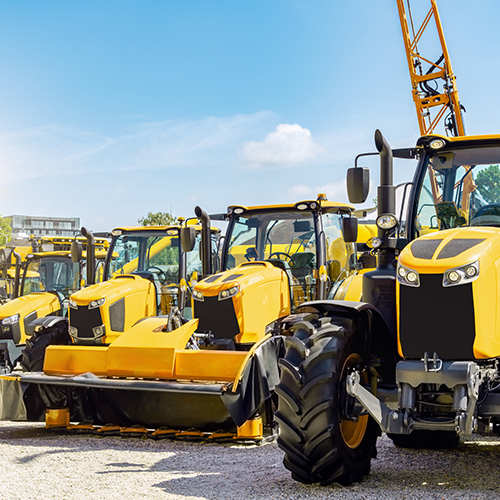
Yellow tractors and machinery at equipment dealership

Construction Resources For Equipment

CONSTRUCTION EQUIPMENT RESOURCES: TOOLS, INFORMATION, AND SUPPORT FOR SUCCESSFUL PROJECTS

Having access to the right construction equipment is only part of completing a successful project. Contractors, project managers, and site supervisors also need reliable construction equipment resources, industry expertise, and dependable support to maximize productivity, improve safety, and keep projects on schedule. Whether you are planning a site development project, utility installation, roadwork operation, concrete project, or commercial construction job, using the right construction equipment resources can help you make informed decisions and improve project outcomes.

At McCann Industries, we provide more than construction equipment rentals and sales. We also offer construction supplies, tools, parts, equipment service, repairs, and product support. Our experienced team helps contractors find practical solutions for their equipment and jobsite needs.


WHY CONSTRUCTION EQUIPMENT RESOURCES MATTER

Construction projects involve numerous moving parts, from equipment selection and site preparation to maintenance planning, material needs, and operator safety. Working with an experienced construction equipment provider gives you access to the resources and support needed throughout every stage of your project.

  • Select the right equipment for specific applications
  • Improve jobsite productivity
  • Reduce equipment downtime
  • Support safer equipment operation
  • Manage project costs more effectively
  • Adjust to changing project requirements
  • Complete projects on time and within budget

ESSENTIAL CONSTRUCTION EQUIPMENT RESOURCES

EQUIPMENT SELECTION GUIDANCE

Choosing the correct equipment can significantly affect project efficiency and profitability. Different jobs require different machines, attachments, tools, and capabilities. Equipment that is too small may slow production, while oversized equipment can increase operating costs and create unnecessary jobsite challenges.

McCann Industries helps contractors identify construction equipment solutions based on project requirements, jobsite conditions, production goals, and equipment availability. Common equipment categories may include:

  • Excavators for digging, grading, and trenching
  • Skid steers and compact track loaders for material handling and site cleanup
  • Wheel loaders and backhoes for earthmoving applications
  • Compaction equipment for road, asphalt, and utility projects
  • Forklifts and telehandlers for material movement
  • Pumps and dewatering equipment for site management
  • Concrete, masonry, drilling, and demolition equipment
  • Attachments for specialized construction applications

Equipment and rental inventory may vary by McCann Industries location.

CONSTRUCTION SUPPLIES AND TOOLS

Construction equipment resources extend beyond heavy machinery. Contractors also need dependable access to construction supplies, tools, safety products, concrete materials, repair products, fasteners, erosion-control products, and other jobsite essentials.

McCann Industries provides a broad selection of construction supplies and tools to help contractors keep crews productive and projects moving. Working with one trusted construction partner for equipment, supplies, parts, and service can also simplify purchasing and reduce delays caused by missing materials or tools.

EQUIPMENT SAFETY RESOURCES

Safety remains one of the most important aspects of any construction project. Construction equipment resources should include information on safe operation, daily inspections, equipment limitations, and recommended maintenance procedures.

Access to reliable equipment safety information helps contractors protect their employees and support compliance with applicable jobsite requirements. Important safety considerations include:

  • Daily equipment inspections
  • Properly trained and qualified equipment operators
  • Correct personal protective equipment
  • Site-specific hazard assessments
  • Manufacturer operating instructions
  • Equipment capacity and application limits
  • Preventive maintenance schedules

McCann Industries can provide product information, equipment guidance, and support for certain products and applications. Training and support availability may vary by location.

PREVENTIVE MAINTENANCE INFORMATION

Construction equipment performance depends heavily on proper maintenance. Preventive maintenance resources can help identify wear, damage, and developing problems before they result in costly repairs or unexpected downtime.

Routine equipment maintenance may include:

  • Fluid checks and replacement schedules
  • Filter inspections and replacement
  • Hydraulic system evaluations
  • Tire and track inspections
  • Battery and electrical system checks
  • Wear analysis
  • Scheduled equipment inspections

McCann Industries supports customers with equipment parts, preventive maintenance, shop repairs, field service, and product support. Our team works to help contractors maintain their equipment and address service needs before they disrupt a project.


BENEFITS OF RENTING CONSTRUCTION EQUIPMENT

Many contractors rely on construction equipment rental as a cost-effective way to access machinery for specific projects without taking on the long-term expenses of ownership.

ACCESS TO MODERN EQUIPMENT

Construction equipment technology continues to evolve. Newer equipment may offer improved fuel efficiency, operator comfort, safety features, and productivity. Renting construction equipment provides access to additional machines without requiring frequent fleet purchases or upgrades.

INCREASED FLEXIBILITY

Project requirements can change based on scope, schedule, workload, or site conditions. Construction equipment rentals allow contractors to scale their fleet up or down and access specialized equipment when needed.

LOWER OWNERSHIP COSTS

Purchasing equipment requires a substantial upfront investment as well as ongoing expenses for maintenance, storage, transportation, insurance, and depreciation. Renting can help contractors preserve cash flow while maintaining access to essential construction equipment.

REDUCED DOWNTIME

Rental equipment is routinely maintained and inspected to support dependable performance. If a service issue occurs, working with a local equipment provider gives contractors access to people who understand the equipment and the importance of keeping projects moving.


CONSTRUCTION EQUIPMENT RESOURCES FOR EVERY STAGE OF YOUR PROJECT

Successful construction projects require careful planning, reliable equipment, dependable supplies, and access to knowledgeable support. From equipment selection and safety information to maintenance, parts, repairs, and rental solutions, having the right construction equipment partner can make a significant difference in project performance.

McCann Industries is committed to helping contractors succeed with construction equipment sales, equipment rentals, construction supplies, tools, parts, service, and industry expertise. Whether you are working on site development, utility installation, road construction, concrete work, or a commercial building project, our team can help you identify the right equipment and resources for the job.


PARTNER WITH MCCANN INDUSTRIES

When you need construction equipment resources and jobsite solutions you can trust, turn to McCann Industries. Our commitment to quality equipment, knowledgeable support, responsive service, and customer satisfaction helps contractors complete projects safely, efficiently, and on schedule.

Contact McCann Industries today to learn more about our construction equipment rentals, new and used equipment, construction supplies, parts, and service capabilities. Equipment, products, and services may vary by location.

Open post
Construction Worker Leans on Vehicle Holding Walkie Talkie

Construction Equipment Safety

CONSTRUCTION EQUIPMENT SAFETY BEST PRACTICES FOR A SAFER, MORE PRODUCTIVE JOBSITE

Construction equipment plays a critical role in completing projects efficiently, but heavy machinery can also introduce serious hazards when it is not operated, inspected, or maintained properly. Whether crews are using excavators, skid steers, compact track loaders, wheel loaders, forklifts, compaction equipment, or other machinery, following construction equipment safety best practices can help protect workers, reduce downtime, and keep projects on schedule.

At McCann Industries, we understand the importance of safety, reliability, and productivity on every jobsite. We provide new, used, and rental equipment along with construction supplies, safety products, parts, maintenance, repairs, and product support. Our knowledgeable team helps contractors identify dependable equipment and practical solutions for their project needs.


WHY CONSTRUCTION EQUIPMENT SAFETY MATTERS

Construction sites are demanding work environments where heavy equipment often operates near workers, vehicles, materials, structures, and changing ground conditions. Improper equipment use can lead to injuries, machine damage, property damage, and costly project delays.

Creating a strong culture of construction equipment safety starts with properly trained operators, regular equipment inspections, clear jobsite procedures, and access to dependable machinery. Prioritizing construction equipment safety can provide several benefits, including:

  • Fewer workplace injuries and equipment-related incidents
  • Improved jobsite efficiency and productivity
  • Reduced equipment damage and repair costs
  • Better compliance with applicable safety requirements
  • Greater confidence among operators and crew members
  • Less unplanned equipment downtime

ESSENTIAL CONSTRUCTION EQUIPMENT SAFETY TIPS

CONDUCT PRE-OPERATION EQUIPMENT INSPECTIONS

Before construction equipment is used, the operator should complete a pre-operation inspection. Routine equipment inspections can help identify wear, damage, leaks, and other concerns before they result in equipment failure or a jobsite incident.

Equipment should not be operated when a critical safety issue has been identified. The concern should be reported and corrected according to company procedures and manufacturer recommendations.

Important inspection areas may include:

  • Tires, tracks, and undercarriage components
  • Hydraulic hoses, cylinders, and fittings
  • Fluid levels and visible leaks
  • Safety guards and protective structures
  • Lights, mirrors, cameras, alarms, and warning systems
  • Brakes, steering, and operating controls
  • Steps, handholds, and access points
  • Attachments and connection points
  • Seat belts and operator restraints

Inspection requirements vary by machine. Operators should always follow the equipment manufacturer’s inspection procedures.

ENSURE OPERATORS ARE PROPERLY TRAINED AND AUTHORIZED

Only properly trained, qualified, and authorized personnel should operate construction equipment. Operators must understand the machine’s controls, safety features, load limits, operating characteristics, and manufacturer instructions before beginning work.

Operator training should also address the hazards associated with the specific jobsite. Conditions such as slopes, overhead utilities, underground hazards, limited visibility, soft ground, pedestrian traffic, and confined operating areas can affect how equipment should be used.

Proper training helps operators:

  • Recognize potential equipment and jobsite hazards
  • Follow manufacturer operating instructions
  • Understand machine capacity and application limits
  • Use attachments correctly
  • Respond appropriately to emergencies
  • Maintain safe operating speeds and procedures

Training requirements depend on the equipment, application, employer policies, and applicable regulations.

WEAR APPROPRIATE PERSONAL PROTECTIVE EQUIPMENT

Equipment operators and employees working around heavy machinery should wear the personal protective equipment required for the job and work environment. PPE provides an additional layer of protection but does not replace proper training, equipment inspections, or safe operating procedures.

Depending on the jobsite, required PPE may include:

  • Hard hats
  • High-visibility clothing
  • Safety glasses or face protection
  • Safety-toed boots
  • Hearing protection
  • Work gloves
  • Respiratory protection
  • Fall-protection equipment

Employers should evaluate jobsite hazards and determine which PPE is required for each task.

MAINTAIN CLEAR JOBSITE COMMUNICATION

Clear communication is essential when multiple crews, vehicles, and machines are working in the same area. Operators may have significant blind spots, and nearby workers may not always know when equipment is moving or changing direction.

Radios, hand signals, spotters, designated traffic routes, and pre-job meetings can improve coordination and help reduce confusion. Everyone on the jobsite should understand the communication procedures before work begins.

Effective communication can reduce the risk of:

  • Equipment collisions
  • Struck-by incidents
  • Blind-spot accidents
  • Material-handling errors
  • Workers entering active equipment zones
  • Confusion during backing or lifting operations

When a spotter is used, the operator and spotter should agree on signals before work begins. The operator should stop the machine if visual or radio contact with the spotter is lost.

ESTABLISH EQUIPMENT OPERATING ZONES

Pedestrians and heavy equipment should be separated whenever possible. Clearly marked operating areas, exclusion zones, walkways, and equipment routes help employees understand where machines will be moving.

Workers should avoid standing near operating equipment, beneath raised attachments, or between a machine and a fixed object. Operators should confirm that the area is clear before moving, backing, swinging, lifting, or lowering equipment.


COMMON CONSTRUCTION EQUIPMENT HAZARDS

EQUIPMENT ROLLOVERS

Rollovers are among the most serious construction equipment hazards. They can occur when equipment is operated on unstable ground, steep slopes, near trenches, or with an elevated or unbalanced load.

Construction equipment safety practices for reducing rollover risks include:

  • Assessing slopes and ground conditions before operating
  • Staying away from unsupported trench edges and drop-offs
  • Operating within manufacturer load and slope limits
  • Avoiding excessive speeds and sudden turns
  • Keeping loads as low as practical during travel
  • Using seat belts and rollover protective structures
  • Selecting equipment that is appropriate for the terrain

Operators should never assume that a surface is stable based only on its appearance.

STRUCK-BY AND CAUGHT-BETWEEN INCIDENTS

Workers can be seriously injured when they enter an equipment operating zone or stand between moving machinery, materials, and fixed objects. These incidents are especially dangerous when operators have limited visibility.

Best practices include:

  • Establishing designated equipment exclusion zones
  • Using spotters when visibility is limited
  • Keeping employees clear of active machinery
  • Following established jobsite traffic patterns
  • Making eye contact with operators before approaching
  • Avoiding work beneath raised loads or attachments
  • Using alarms, cameras, mirrors, and warning devices as intended

Workers should approach equipment only after receiving clear acknowledgment from the operator.

OVERHEAD AND UNDERGROUND UTILITIES

Power lines, gas lines, water lines, communication lines, and other utilities can create significant hazards for equipment operators. Contact with an overhead power line or underground utility can result in injuries, service interruptions, and extensive damage.

Before work begins, contractors should identify applicable utility locations, establish required clearances, and communicate known hazards to operators and crews. Equipment attachments, booms, and raised loads must remain within established safe operating areas.

EQUIPMENT MALFUNCTIONS

Poorly maintained equipment may experience mechanical failures that affect safe operation. Worn brakes, damaged hydraulic hoses, faulty alarms, fluid leaks, and attachment problems should be addressed before the equipment returns to service.

Preventive maintenance and regular inspections can help identify developing issues before they become larger safety or repair concerns.


CONSTRUCTION EQUIPMENT MAINTENANCE AND SAFETY

Preventive maintenance is an important part of construction equipment safety. Following manufacturer service intervals can help maintain dependable performance and reduce unexpected failures.

Routine construction equipment maintenance may include:

  • Fluid and filter service
  • Hydraulic system inspections
  • Tire and track inspections
  • Brake and steering evaluations
  • Battery and electrical system checks
  • Alarm, lighting, and camera inspections
  • Attachment and coupler inspections
  • Wear analysis
  • Scheduled machine inspections

McCann Industries supports customers with equipment parts, preventive maintenance, shop repairs, field service, and product support. Service capabilities and availability may vary by location.


CONSTRUCTION SAFETY SUPPLIES AND JOBSITE EQUIPMENT

A safer jobsite requires more than reliable heavy equipment. Contractors also need access to appropriate safety products, tools, traffic-control items, and jobsite supplies.

McCann Industries provides construction supplies and safety products that can help contractors prepare their crews and organize their jobsites. Product availability may include personal protective equipment, high-visibility products, traffic-control supplies, fall-protection products, concrete and masonry tools, fasteners, and other construction essentials.

Using a trusted source for construction equipment, supplies, parts, and service can help contractors simplify purchasing and keep necessary products available throughout the project.


SAFETY BENEFITS OF RENTING CONSTRUCTION EQUIPMENT

For many contractors, renting construction equipment provides operational flexibility and access to professionally maintained machinery. Construction equipment rental can be useful for temporary workload increases, specialized applications, or projects that require equipment outside a contractor’s regular fleet.

ACCESS TO CURRENT EQUIPMENT

Rental fleets may provide access to newer machines with updated operating controls, visibility features, cameras, alarms, operator restraints, and other equipment technology.

Operators must still be trained on the specific machine before use. Controls, capacities, and safety features can vary between manufacturers and models.

REDUCED MAINTENANCE RESPONSIBILITIES

Equipment ownership requires ongoing maintenance, inspections, repairs, storage, and recordkeeping. Renting allows contractors to use equipment maintained by the rental provider while focusing their internal resources on the project.

Daily inspections and proper operation remain the responsibility of the customer and operator during the rental period.

IMPROVED EQUIPMENT FLEXIBILITY

Projects may require specialized equipment for a limited period. Renting can help contractors select equipment that better matches the application instead of attempting to complete the work with an undersized or unsuitable machine.

Using the appropriate equipment can improve productivity and reduce risks associated with operating machinery outside its intended application.

DEPENDABLE PRODUCT SUPPORT

McCann Industries maintains and inspects its rental equipment to support dependable performance. If an equipment issue occurs, customers have access to local support from people who understand the machines and the importance of minimizing jobsite downtime.

Equipment availability, rental inventory, and support services vary by McCann Industries location.


BUILD A STRONG CONSTRUCTION EQUIPMENT SAFETY CULTURE

Construction equipment safety is not based on one inspection, policy, or training session. It requires consistent attention from company leaders, supervisors, operators, and every employee working around heavy machinery.

A strong safety culture includes:

  • Regular operator training
  • Daily equipment inspections
  • Clear jobsite communication
  • Consistent enforcement of operating procedures
  • Preventive equipment maintenance
  • Prompt reporting of hazards and equipment concerns
  • Planning for changing jobsite conditions

Operators should always follow manufacturer instructions, employer safety policies, and applicable regulations. When employees are encouraged to identify hazards and stop work when conditions are unsafe, construction equipment safety becomes part of the daily operation.


PARTNER WITH McCANN INDUSTRIES

Construction equipment safety starts with proper planning, trained operators, routine inspections, clear communication, and dependable machinery. Whether you are managing a large commercial project, utility installation, road construction operation, concrete job, or smaller construction project, choosing the right equipment and support partner can make a meaningful difference in safety and productivity.

McCann Industries provides new and used equipment, construction equipment rentals, contractor supplies, safety products, parts, maintenance, repairs, and product support. Contact McCann Industries to learn more about the construction equipment, supplies, and services available for your next project.

Equipment, products, rentals, training resources, and service capabilities may vary by location.

Open post

Which Tool Is Best For You?

WHICH TOOL IS BEST FOR YOU?

Selecting the right construction tools can make a major difference in productivity, safety, and project efficiency. Whether you are handling excavation, demolition, concrete work, grading, or general construction tasks, using the proper tools helps crews work faster while reducing downtime and labor costs.

Understanding which tool is best for your project depends on the type of work being completed, the job site conditions, and the level of power or precision required. From hand tools and power tools to heavy construction equipment, having access to the right equipment helps contractors complete projects more efficiently.

At McCann Industries, we help contractors find reliable tool and equipment rental solutions designed to support jobsites of every size.


WHEN TO USE HAND TOOLS

Hand tools remain essential for detailed construction work, adjustments, and quick repairs. These tools provide greater control and portability while requiring little maintenance.

COMMON HAND TOOLS:

  • Hammers
  • Screwdrivers
  • Tape measures
  • Wrenches
  • Pliers
  • Utility knives
  • Levels
  • Chisels

HAND TOOLS ARE BEST FOR:

  • Small repair jobs
  • Finishing work
  • Tight spaces
  • Precision adjustments
  • Measuring and layout tasks
  • Quick maintenance work

WHEN TO USE POWER TOOLS

Power tools help contractors complete demanding tasks faster while reducing physical labor. These tools are commonly used for cutting, drilling, fastening, grinding, and demolition work.

COMMON POWER TOOLS:

  • Power drills
  • Rotary hammers
  • Concrete saws
  • Circular saws
  • Impact wrenches
  • Grinders
  • Nail guns
  • Jackhammers

POWER TOOLS ARE BEST FOR:

  • Large construction projects
  • Repetitive drilling or cutting
  • Heavy-duty demolition work
  • Concrete and masonry applications
  • Projects with tight deadlines
  • Increasing jobsite productivity

WHEN HEAVY EQUIPMENT IS THE BEST SOLUTION

For excavation, grading, lifting, paving, and material handling projects, heavy construction equipment offers the power and efficiency needed to complete work safely and effectively.

COMMON CONSTRUCTION EQUIPMENT RENTALS:

  • Excavators
  • Compact track loaders
  • Skid steers
  • Wheel loaders
  • Rollers
  • Telehandlers
  • Aerial lifts
  • Compaction equipment

HEAVY EQUIPMENT IS BEST FOR:

  • Site preparation
  • Earthmoving projects
  • Utility installation
  • Road construction
  • Material transport
  • Large commercial construction projects

FACTORS TO CONSIDER WHEN CHOOSING TOOLS

Choosing the right tool depends on several important project factors. Contractors who evaluate job-site needs in advance can improve efficiency and reduce equipment-related delays. McCann Industries helps contractors identify the best rental solutions based on project goals and jobsite conditions. Questions to ask before renting tools or equipment:

  • What type of project are you completing?
  • How much power or lifting capacity is needed?
  • Will the tool be used indoors or outdoors?
  • How long will the equipment be needed?
  • Does the project require precision or heavy-duty performance?
  • Will attachments improve productivity?

WHY RENTING TOOLS AND EQUIPMENT MAKES SENSE

Renting tools and construction equipment allows businesses to access high-quality machinery without the high upfront cost of ownership. Rentals also provide flexibility for short-term projects, seasonal workloads, and specialized jobs. Benefits of renting construction tools and equipment include:

  • Lower upfront costs
  • Access to newer equipment technology
  • Reduced maintenance responsibilities
  • Flexible rental terms
  • Increased productivity
  • Reliable equipment for specialized applications

WHY CONTRACTORS CHOOSE McCANN INDUSTRIES

McCann Industries is committed to helping contractors stay productive with dependable rental equipment and responsive customer support. Our experienced team understands the demands of construction jobsites and works hard to provide reliable solutions for every project. Benefits of renting from McCann Industries include:

  • Large inventory of tools and construction equipment
  • Flexible short-term and long-term rentals
  • Well-maintained, jobsite-ready equipment
  • Trusted equipment brands
  • Experienced equipment specialists
  • Responsive parts and service support
  • Equipment solutions for projects of all sizes

RENT CONSTRUCTION TOOLS AND EQUIPMENT FROM McCANN INDUSTRIES

Whether you need hand tools, power tools, or heavy construction equipment, McCann Industries has the rental solutions to help your team work efficiently and safely.

Our team is ready to help contractors choose the right equipment for excavation, demolition, grading, paving, concrete work, utility projects, and more.

Contact McCann Industries today to learn more about our construction equipment rentals, tool rental inventory, and expert jobsite support services.

Open post
Man on construction site using power saw

Power Tools Vs. Hand Tools

UNDERSTANDING THE DIFFERENCE BETWEEN POWER TOOLS AND HAND TOOLS

Choosing between power tools and hand tools is an important decision for contractors, construction crews, and DIY professionals. Both types of tools serve critical roles on jobsites, but understanding when to use each can help improve efficiency, safety, and productivity.

Power tools are designed to increase speed and reduce manual labor, while hand tools offer precision, control, and reliability for smaller or detailed tasks. The right combination of tools can help construction professionals complete projects faster and more effectively.

At McCann Industries, we provide contractors with access to reliable construction equipment, power tools, and jobsite solutions that help crews stay productive on projects of all sizes.


WHAT ARE POWER TOOLS?

Power tools use electricity, batteries, hydraulics, or compressed air to perform tasks that would otherwise require significant manual effort. These tools are commonly used in construction, demolition, concrete work, fabrication, and site preparation because they improve efficiency and reduce physical strain on workers.

COMMON POWER TOOLS USED IN CONSTRUCTION:

  • Power drills
  • Rotary hammers
  • Concrete saws
  • Grinders
  • Nail guns
  • Impact wrenches
  • Circular saws
  • Jackhammers

BENEFITS OF POWER TOOLS:

  • Faster project completion
  • Increased cutting and drilling power
  • Reduced manual labor
  • Improved productivity on large projects
  • Better performance for heavy-duty applications
  • Greater efficiency for repetitive tasks

WHAT ARE HAND TOOLS?

Hand tools are manually operated tools commonly used for detailed work, adjustments, and smaller construction tasks. While they may not provide the speed of power tools, hand tools remain essential on nearly every jobsite.

COMMON HAND TOOLS USED IN CONSTRUCTION:

  • Hammers
  • Screwdrivers
  • Wrenches
  • Pliers
  • Tape measures
  • Utility knives
  • Levels
  • Chisels

BENEFITS OF HAND TOOLS:

  • Greater precision and control
  • No power source required
  • Lightweight and portable
  • Lower maintenance requirements
  • Ideal for small or detailed tasks
  • Reliable for quick adjustments and repairs

POWER TOOLS VS HAND TOOLS: WHICH IS BETTER?

The decision between power tools and hand tools depends on the type of project, workload, and level of precision required. Large construction projects often rely heavily on power tools for speed and efficiency, while hand tools are valuable for detail work and finishing tasks.

POWER TOOLS ARE BEST FOR:

  • Large-scale construction projects
  • Demolition and concrete work
  • Repetitive cutting or drilling
  • Heavy-duty fastening applications
  • Projects with tight deadlines

HAND TOOLS ARE BEST FOR:

  • Precision adjustments
  • Small repair jobs
  • Finishing work
  • Tight spaces
  • Projects requiring greater control

Many contractors use both power tools and hand tools together to maximize efficiency and flexibility on the jobsite.


WHY RENTING POWER TOOLS MAKES SENSE

Renting power tools is a cost-effective way for contractors to access professional-grade equipment without making large upfront investments. Renting also gives businesses access to the latest tools and technology while reducing maintenance and storage concerns.

BENEFITS OF RENTING POWER TOOLS:

  • Lower equipment costs
  • Access to high-performance tools
  • Flexible rental periods
  • Reduced maintenance responsibilities
  • Reliable tools for specialized projects
  • Improved jobsite productivity

McCann Industries helps contractors rent dependable power tools and construction equipment that support efficient project completion.


WHY CONTRACTORS CHOOSE McCANN INDUSTRIES

McCann Industries is committed to helping contractors stay productive with dependable equipment, flexible rental options, and responsive customer support. Our experienced team works with businesses to provide the right tools and equipment for every project.

WHY CHOOSE McCANN INDUSTRIES:

  • Large inventory of power tools and equipment
  • Flexible rental solutions
  • Reliable, well-maintained equipment
  • Trusted construction industry brands
  • Experienced equipment specialists
  • Fast equipment availability
  • Responsive service and support

RENT POWER TOOLS AND CONSTRUCTION EQUIPMENT FROM McCANN INDUSTRIES

Whether your project requires heavy-duty power tools, precision hand tools, or larger construction equipment, McCann Industries has the solutions your team needs to stay efficient and productive.

Our team is ready to help contractors choose the right rental equipment for construction, demolition, utility work, paving, concrete applications, and more.

Contact McCann Industries today to learn more about our power tool rentals, construction equipment inventory, and trusted jobsite support services.

Posts navigation

1 2 3 4 5