


RUBBER TRACK MAINTENANCE: WHEN TO REPAIR, REPLACE, OR UPGRADE
Rubber tracks give compact construction equipment the traction, stability, and maneuverability needed to work across a wide range of surfaces. However, daily exposure to rocks, debris, sharp edges, and demanding terrain can cause gradual wear or sudden damage. Consistent rubber track maintenance helps extend track life, protect undercarriage components, and reduce the risk of unexpected downtime.
Knowing when to repair, replace, or upgrade rubber tracks can also help you make a more informed decision about equipment maintenance. McCann Industries offers the parts, service, and construction equipment expertise needed to keep your machines ready for the job. During August, customers can also take advantage of McCann’s rubber track special and receive a free tube of grease with a qualifying purchase.
SIGNS YOUR RUBBER TRACKS NEED ATTENTION
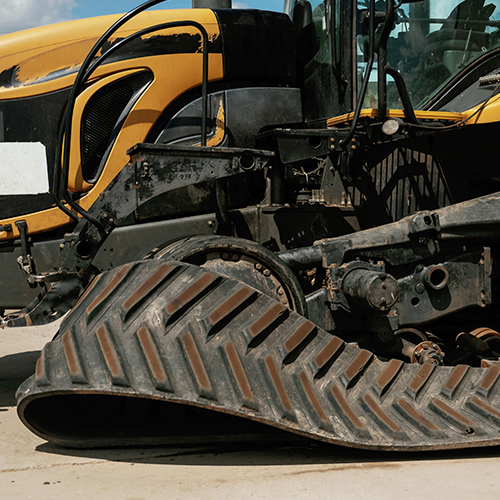
Rubber tracks should be inspected regularly and whenever equipment performance changes. Small cuts and surface wear are expected with normal use, but certain conditions may indicate a more serious problem. Operators should also watch for uneven wear from side to side. One track wearing faster than the other can point to improper tension, misalignment, worn undercarriage components, or operating habits that place excessive stress on one side of the machine. Common signs of rubber track wear or damage include:
- Deep cuts, cracks, or missing pieces of rubber
- Exposed or damaged internal cords
- Worn, uneven, or missing tread lugs
- Damaged drive lugs on the inside of the track
- Frequent track derailment
- Noticeably reduced traction
- Uneven track tension or excessive sag
- Vibrations or unusual noise during operation
CHECK FOR JOBSITE-RELATED TRACK DAMAGE
Jobsite conditions directly affect rubber track life. Sharp rocks, exposed rebar, demolition debris, broken concrete, and other hazards can puncture or cut the rubber. Mud, gravel, and compacted material can also collect in the undercarriage, increasing tension and accelerating wear.
Operators should avoid unnecessary track spinning, aggressive turns on abrasive surfaces, or driving over sharp obstacles whenever possible. Clean the undercarriage at the end of each shift, especially after working in mud, snow, clay, or heavy debris. Removing packed material helps prevent added strain on the tracks, rollers, sprockets, and idlers.
Damage should be evaluated promptly. Continuing to operate with a compromised track can worsen the problem and may leave the machine immobilized at an inconvenient time or location.
INCLUDE THE UNDERCARRIAGE IN EVERY INSPECTION
Rubber track maintenance involves more than checking the track itself. The entire undercarriage works as a system, and worn components can shorten the life of a new or otherwise serviceable track. Track tension should remain within the equipment manufacturer’s recommended range. Tracks that are too loose may derail, while tracks that are too tight can create excess friction and place additional strain on bearings, rollers, and other undercarriage components. Refer to the equipment manual or contact McCann Industries for help checking and adjusting track tension correctly. Inspect the following areas regularly:
- Sprockets for worn, hooked, or damaged teeth
- Rollers for excessive wear, leaks, or restricted movement
- Idlers for damage or uneven wear
- Track frames for buildup, cracks, or misalignment
- Tensioning components for leaks or improper adjustment
- Hardware and guards for loose or missing parts
WHEN CAN A RUBBER TRACK BE REPAIRED?
Minor, localized surface damage may not require immediate track replacement. Small cuts that do not expose internal cords or affect the track’s structure can sometimes be monitored while the equipment remains in service.
Repairs and temporary measures have limitations, however. Deep cuts, damaged cords, separated tread, or broken internal components can affect the track’s strength and reliability. A professional inspection can help determine whether continued use is appropriate or whether replacement is the safer and more cost-effective choice.
WHEN SHOULD RUBBER TRACKS BE REPLACED?
Rubber tracks should generally be replaced when damage threatens their structural integrity, traction, or ability to stay properly seated on the undercarriage. Replacement may also be necessary when tread wear begins limiting performance or when repeated derailments interfere with productivity.
Waiting for a track to fail completely can lead to unplanned downtime, additional service expenses, and possible damage to nearby components. Schedule an inspection when wear becomes noticeable so you have time to order and install the correct replacement before equipment performance declines.
When replacing one track, compare its condition to that of the track on the opposite side. Significant differences in tread depth or overall wear can affect traction and machine stability. Depending on the equipment and application, replacing tracks as a matched pair may provide more balanced performance.
WHEN IS IT TIME TO UPGRADE YOUR RUBBER TRACKS?
An upgrade may be worthwhile if your current tracks do not match the conditions in which the equipment typically operates. Tread pattern, rubber compound, track width, and construction can influence traction, flotation, ride quality, and durability.
For example, equipment frequently used on soft ground may benefit from tracks designed to improve flotation, while machines working on rocky or abrasive terrain may require a more durable track construction. Choosing the right replacement is not simply a matter of finding the correct size. McCann Industries can help you evaluate your equipment, operating environment, and performance priorities to identify a suitable rubber track option.
FIND RUBBER TRACKS AND CONSTRUCTION EQUIPMENT SERVICE AT MCCANN INDUSTRIES
McCann Industries supports construction professionals with knowledgeable parts assistance, experienced technicians, and dependable equipment service. Whether you need help identifying track damage, inspecting an undercarriage, adjusting track tension, or selecting replacement rubber tracks, the McCann team can help you make the right maintenance decision.
Take advantage of McCann Industries’ August rubber track special and receive a free tube of grease with a qualifying rubber track purchase. Contact McCann Industries today to check availability, find the right tracks for your machine, or schedule construction equipment service.