


USED EQUIPMENT BUYING GUIDE: WHAT TO CHECK BEFORE YOU BUY
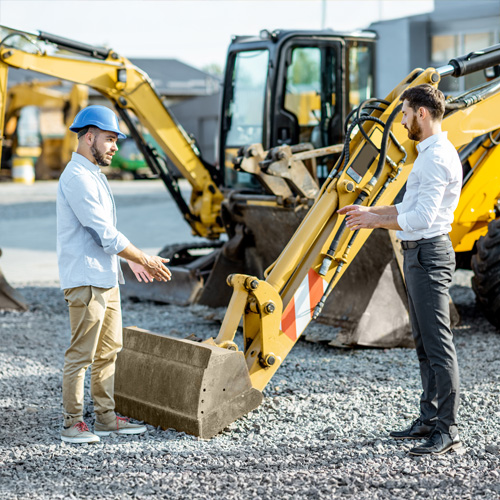
Buying used construction equipment can be a smart way to expand your fleet while keeping costs under control. Whether you are considering a skid steer, compact track loader, excavator, compactor, or another type of equipment, a thorough inspection can help you avoid unexpected repairs and make a better long-term investment.
At McCann Industries, our team helps contractors evaluate their options, select equipment that fits their applications, and keep their machines working with dependable parts and service support.
WHY BUY USED CONSTRUCTION EQUIPMENT?
- Lower upfront investment
- Less initial depreciation
- Faster equipment availability
- A documented operating history
- More flexibility within your equipment budget
The value of a used machine, however, depends heavily on its condition, maintenance history, and suitability for the work you plan to perform.
INSPECT THE OVERALL CONDITION
Begin with a complete walkaround. Normal cosmetic wear is expected, but significant damage may indicate hard use, poor maintenance, or repairs that require further evaluation.
Look for:
- Cracks or weld repairs on the frame
- Rust or corrosion
- Damaged panels or structural components
- Missing guards, covers, or hardware
- Fluid leaks beneath the machine
- Signs of damage around pins, bushings, and attachment points
Wear should be reasonably consistent throughout the machine. A freshly painted section or recently replaced component is not necessarily a concern, but it is worth asking why the work was completed.
REVIEW ENGINE PERFORMANCE
The engine is one of the machine’s most important and expensive components. Whenever possible, start the equipment when the engine is cold and operate it long enough to reach its normal working temperature.
Check for:
- Difficult or delayed starting
- Excessive exhaust smoke
- Unusual noises, knocking, or vibration
- Oil, fuel, or coolant leaks
- Low or contaminated fluids
- Warning lights or fault codes
- Loss of power while operating under load
A machine that starts easily and performs consistently under load is generally a better sign than one that has only been allowed to idle.
EXAMINE THE HYDRAULIC SYSTEM
The hydraulic system affects the productivity and operation of many construction machines. Weak, slow, or inconsistent hydraulic functions may indicate wear, contamination, leakage, or another maintenance concern.
Inspect:
- Hydraulic hoses for cracking, rubbing, or damage
- Cylinders and seals for leaks
- Pumps, valves, and fittings
- Couplers and auxiliary hydraulic connections
- Lift, tilt, steering, and travel functions
- Bucket and attachment operation
Operate several hydraulic functions at the same time when possible. The machine should respond smoothly without excessive hesitation, drifting, or unusual noise.
CHECK THE UNDERCARRIAGE OR TIRES
Undercarriage and tire replacement costs can significantly affect the true value of a used machine.
For tracked equipment, inspect:
- Track condition and remaining life
- Rollers and idlers
- Sprockets
- Track tension
- Uneven wear between the left and right sides
- Cuts, missing track material, or damaged links
For wheeled equipment, examine:
- Tire tread depth
- Sidewall cuts or cracking
- Uneven wear
- Matching tire sizes and types
- Rims, wheel hardware, and axle components
A lower purchase price may not be a good value if the machine immediately needs tires, tracks, or major undercarriage work.
VERIFY MAINTENANCE AND OWNERSHIP RECORDS
Maintenance records can provide valuable insight into how the equipment was cared for and which repairs may be needed in the future.
Ask about:
- Routine service intervals
- Oil, fuel, air, and hydraulic filter changes
- Major repairs
- Rebuilt or replaced components
- Previous applications
- Prior ownership
- Current meter hours
- Available inspection or service reports
Compare the records with the condition of the machine. Meter hours alone do not tell the entire story. A higher-hour machine with consistent maintenance may be a better investment than a lower-hour machine that was neglected.
TEST THE CONTROLS AND SAFETY FEATURES
Sit in the operator’s station and test the controls, displays, and safety systems. The machine should be comfortable to operate and respond consistently to operator input.
Check:
- Joysticks, pedals, and travel controls
- Backup alarms
- Horns, lights, and warning indicators
- Safety switches and interlocks
- Seat belt and restraint systems
- Gauges and display panels
- Heating and air conditioning, when equipped
- Doors, windows, steps, and handrails
Any warning lights or active fault codes should be investigated before the purchase is completed.
MAKE SURE THE MACHINE FITS THE APPLICATION
A machine can be in excellent condition and still be the wrong choice for your operation. Consider how it will be used, transported, stored, and equipped.
Evaluate:
- Rated operating capacity
- Lift height and reach
- Machine dimensions and operating weight
- Hydraulic flow requirements
- Attachment compatibility
- Ground conditions
- Trailer and transportation requirements
- Dealer parts and service support
Choosing the right size and configuration can improve productivity, reduce operating costs, and prevent unnecessary wear.
CONSIDER THE TOTAL COST OF OWNERSHIP
The purchase price is only one part of the investment. Before buying, estimate the costs required to operate and maintain the machine over time.
Consider:
- Immediate repairs or scheduled maintenance
- Tires, tracks, or undercarriage replacement
- Fuel consumption
- Replacement parts
- Transportation
- Insurance
- Future service needs
- Expected resale value
A well-supported machine that costs slightly more upfront may provide better long-term value by reducing downtime and unplanned repair expenses.
BUY WITH CONFIDENCE FROM McCANN INDUSTRIES
Choosing the right equipment dealer is just as important as choosing the right machine. McCann Industries offers a selection of used construction equipment supported by experienced equipment professionals who can help you evaluate your application, budget, and operating needs.
Our support does not end when the machine leaves the lot. McCann provides parts, preventive maintenance, shop service, and field service for a wide range of construction equipment. Our goal is to help you protect your investment, reduce downtime, and keep your jobs moving.
NOT READY TO BUY?
Renting may be a better option when you need equipment for a short-term project, want to preserve capital, or are not ready to commit to ownership.
For a limited time, save 20% on monthly skid steer rentals and qualifying skid steer attachment rentals through McCann Industries. It is a flexible way to get the equipment you need while controlling project costs.
Whether you are purchasing used equipment or renting for an upcoming job, McCann Industries is ready to help you find the right solution and support it for the work ahead.