
Open post
Getting Equipment Out of Mud

Getting Equipment Out of Mud

GETTING EQUIPMENT OUT OF MUD

TIPS FOR GETTING YOUR EQUIPMENT OUT OF THE MUD

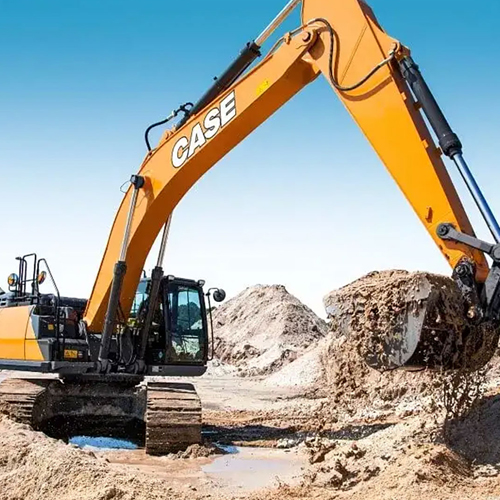
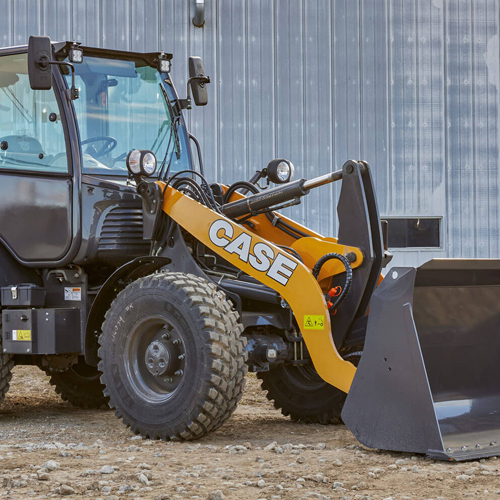
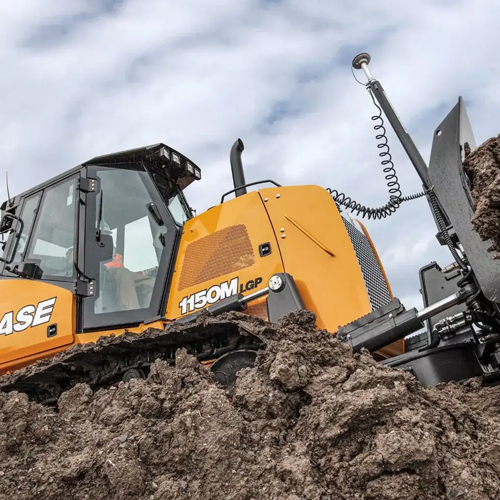
When you’re operating your heavy equipment off road, there’s always a chance that you can become stuck in the mud. Even just slight rain or snow has the potential to transform a dusty work area into a wet, soggy, sticky mess. Although your tracked and wheeled machines are designed to handle difficult terrain, any piece of equipment is susceptible to being trapped in mud, including skid steers, CTLs, wheel loaders, and excavators. To avoid becoming stuck, follow our tips and best practices below.


IT'S BEST TO AVOID BECOMING STUCK IN THE FIRST PLACE

Removing your machines from the mud can be a difficult, time consuming task that will put you behind on a job. Follow these tips to keep that from happening:

  • Prior to beginning work each day, thoroughly check the site to get an idea of the ground you will be operating on. Clearly indicate potentially dangerous spots that are full of mud or sticky soil, so your crew can avoid them.
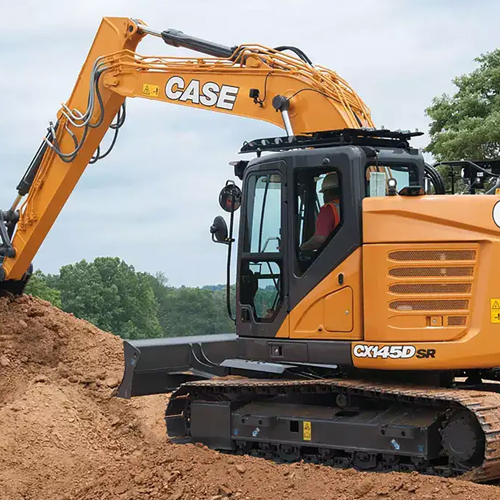
  • We recommend using wide tracked compact track loaders and excavators to reduce ground disturbance on your jobsite. Wider tracks enhance flotation and traction, making them perfect for working in softer soils and muddy areas.
  • Regularly remove mud or debris from your equipment’s tracks, tires, and undercarriages between projects and at the end of each workday to help improve traction in wet conditions.

HOW TO REMOVE MACHINES FROM THE MUD

Despite being careful, your equipment will most likely get stuck in the mud at some point. When that happens, here are some strategies for how to handle the situation:

  • Ensure you have strong straps, ropes, chains, or cables available in your toolkit to pull your equipment out of the mud when it gets stuck.
  • To make it easier to get a stuck machine out of mud, try to lighten it by removing anything that can be removed. This way, you should be able to drag it out more easily.
  • Improve the traction of your machine by placing planks behind its wheels when you are ready to pull it out.
  • To prevent damage to your machine, attach the straps to a tow hook or the frame itself. This method gives you the best chance of pulling your equipment out without breaking anything.
  • Chains can snap during towing, and the tow hooks then turn into deadly projectiles that fly through the air. To ensure they fall towards the ground instead of flying up, insert them with their tips up.
  • It’s also important to keep a safe distance away from towing chains or straps in case one breaks and launches through the air.

Removing equipment that is stuck in wet, muddy conditions is a difficult, dangerous, and time consuming task. When a rainy day comes, take a look at these best practices to avoid getting stuck in the first place. If you do get stuck, though, use our tips for effectively pulling out your machine.


If you have any questions about dealing with equipment in muddy conditions, contact our team today!

Open post
Radial Lift Loader

Rent, Lease, or Buy

RENT, LEASE, OR BUY?

CHOOSING THE RIGHT PATH: RENT, LEASE, OR BUY CONSTRUCTION EQUIPMENT WITH MCCANN INDUSTRIES

When it comes to acquiring construction equipment, contractors and business owners face a pivotal decision: should they rent, lease, or buy? Each option has its advantages, and understanding these can help you make the best choice for your business needs. At McCann Industries, we offer flexible solutions tailored to meet the diverse needs of our clients. Let’s explore the benefits of each option to help you decide which is best for your next project.


RENTING CONSTRUCTION EQUIPMENT: FLEXIBILITY AND CONVENIENCE

WHY RENT?
  1. Cost Efficiency — Renting equipment means you only pay for what you need, when you need it. This can significantly lower your upfront costs, making it easier to manage your budget.
  2. No Maintenance Worries — Maintenance and repairs can be costly and time-consuming. When you rent from McCann Industries, we handle all the maintenance, ensuring the equipment is always in top working condition.
  3. Access to Latest Technology — Renting allows you to use the newest equipment without the long-term commitment. This can be particularly beneficial for specialized projects requiring advanced machinery.
  4. Project Based Flexibility — Renting is ideal for short-term projects or for testing out equipment before making a bigger investment. You can easily switch out machines as project requirements change.

LEASING CONSTRUCTION EQUIPMENT: BALANCE AND PREDICTABILITY

WHY LEASE?
  1. Lower Initial Costs — Leasing typically requires lower upfront costs compared to buying, which helps conserve your capital.
  2. Predictable Expenses — With a lease, you have fixed monthly payments, making it easier to forecast your expenses and manage your cash flow.
  3. Option to Buy — Many lease agreements offer the option to purchase the equipment at the end of the lease term. This can be a great way to eventually own equipment without the high initial investment.
  4. Tax Benefits — Lease payments may be tax-deductible as a business expense, providing potential financial benefits.

BUYING CONSTRUCTION EQUIPMENT: LONG-TERM INVESTMENT

WHY BUY?
  1. Ownership — Owning your equipment means you have complete control over its use and maintenance. This can be a significant advantage for long-term projects and frequent use.
  2. Equity — Purchasing equipment is a long-term investment that builds equity. Over time, the equipment can serve as a valuable asset for your business.
  3. Customization — Ownership allows for full customization of equipment to meet specific project needs.
  4. Tax Incentives — There are various tax incentives available for equipment purchases, including depreciation benefits.

MCCANN INDUSTRIES: YOUR PARTNER IN EQUIPMENT SOLUTIONS

At McCann Industries, we understand that every business has unique needs. That’s why we offer a comprehensive range of rental, leasing, and purchasing options to ensure you get the right equipment for the job. Our team of experts is here to help you weigh the pros and cons and choose the best solution for your specific situation.


WHY CHOOSE MCCANN INDUSTRIES?

The team here at McCann believes you deserve a trusted supplier who cares about your long-term success as much as the success of the project at hand. We will be courteous and knowledgeable in our interactions with you and your team. We will seek the best equipment, construction supplies, and service and parts solutions that fit your needs, and our products and services will be industry-leading and dependable. When something goes wrong, we will jump on it with the urgency you expect. We will communicate with you along the way.

  • Expert Support — Our knowledgeable staff can guide you through the decision-making process, ensuring you choose the best option for your project and budget.
  • Wide Range of Equipment — We offer a diverse selection of high-quality construction equipment to meet all your needs.
  • Flexible Terms — Whether you decide to rent, lease, or buy, we provide flexible terms to accommodate your financial situation and project requirements.
  • Commitment to Quality — We are committed to providing well-maintained, reliable equipment to help you complete your projects efficiently and safely.

CALL US TO DISCUSS YOUR NEEDS

Deciding whether to rent, lease, or buy construction equipment is a crucial decision that can impact your business’s efficiency and financial health. At McCann Industries, we’re here to support you with expert advice and flexible solutions tailored to your needs. Contact us today to explore our equipment options and find the perfect fit for your next project.

Open post
Excavator Attachment Tips

Excavator Attachment Tips

EXCAVATOR ATTACHMENT TIPS

HOW TO USE THE RIGHT EXCAVATOR ATTACHMENTS

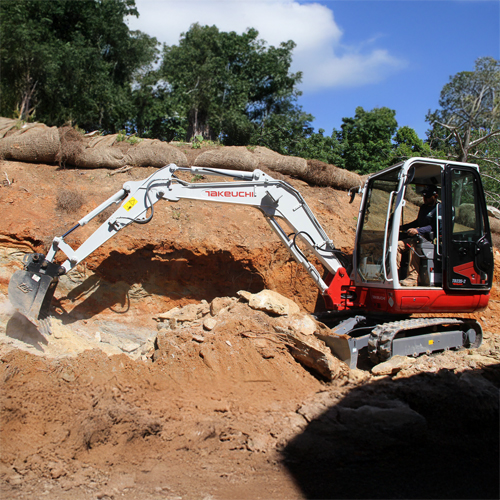
Your excavators are essential machines on a wide variety of projects. Equipping them with the right attachments is crucial for tackling a diverse range of different tasks efficiently and effectively. From excavation to demolition to material handling, the choice of excavator attachments plays a pivotal role in your project’s success.

To help you out, we’ve put together some key tips and best practices for choosing the best excavator attachments for your specific needs.


FAMILIARIZE YOURSELF WITH COMMON EXCAVATOR ATTACHMENTS

A wide variety of attachments are available to handle various jobs, including digging, demolition, vegetation management, and material handling. Among the most commonly used attachments are:

  • Excavator buckets: These versatile attachments facilitate digging, material carrying, grading, leveling, and backfilling tasks. Excavator buckets come in various types, such as digging, rock, grading, and trenching buckets.
  • Multiprocessors: Designed with powerful jaws, multiprocessors excel in cutting and breaking down tough materials found in demolition work.
  • Excavator grapples: These attachments enable you to grab and position a range of materials, from scrap and wood to piping and brush, increasing your excavator’s material handling capabilities.
  • Hydraulic breakers: Also known as hammers, hydraulic breakers effectively pulverize solid materials like concrete, rock, and steel, making them indispensable for demolition projects.
  • Excavator shears: Ideal for cutting and shredding structural steel, rebar, scrap metals, and construction materials, excavator shears are essential tools on demolition jobs.
  • Excavator thumbs: Thumb attachments provide precise control for handling and moving debris, rocks, and loose materials, improving digging efficiency.

In addition to these excavator attachments, you can also use plate compactors, pulverizers, and trenchers to handle even more projects.


CONSIDER YOUR SPECIFICATIONS

When selecting excavator attachments, it’s crucial to think about your equipment’s hydraulic capabilities. Whether you’re operating hydraulic breakers, grapples, multiprocessors, or other attachments, ensure they align with your hydraulic circuit. Excavator hydraulic circuits are typically categorized as “high flow” or “standard flow,” with variations in flow rates among manufacturers. Confirm that the excavator attachments you choose match your machine’s hydraulic specifications for optimal performance.


ENSURE COMPATIBILITY WITH YOUR EQUIPMENT

After assessing the attachment’s hydraulic requirements, verify compatibility with your excavator’s mounting system. While many attachments feature a universal mount, differences may exist based on your specific make and model.


CONDUCT A TRIAL RUN

Before finalizing your purchase, schedule a demo of the excavator attachment. Allowing your operators to test it firsthand provides valuable insights into how easy it is to install, plus its maneuverability and overall performance. A test run helps ensure that the excavator attachment meets your expectations and requirements before making a commitment.


TALK WITH THE TEAM

There are many excavator attachments out there, so we recommend speaking with our equipment experts before making a purchase. We’ll need to understand what your typical projects include and which excavator you are using. Then, we will help you determine which size and type of attachments will work best.

Meet with our team to find the best excavator attachments for you.

Posts navigation

1 2 3